
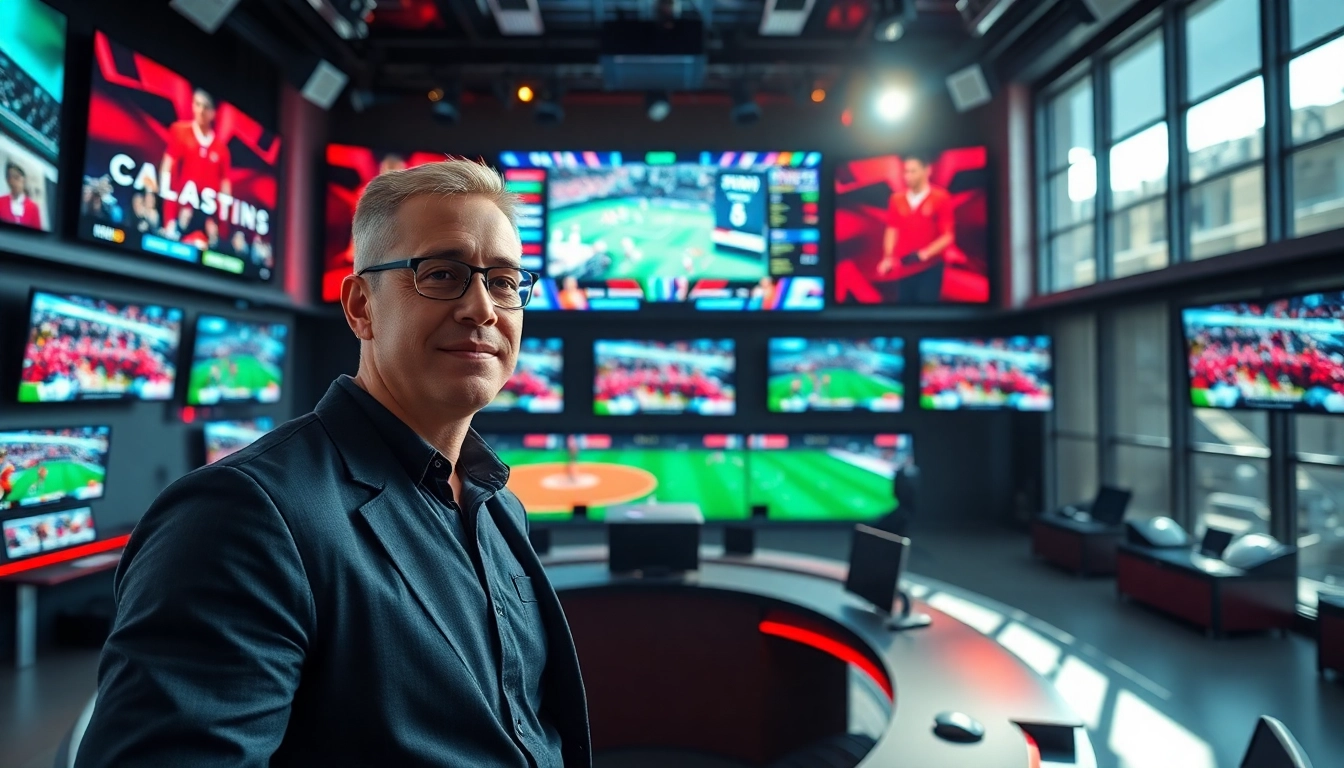
Understanding Sports Broadcasting
Defining Sports Broadcasting
Sports broadcasting encompasses the live telecast or recording of sports events for television, radio, or online platforms. This medium serves not only as a conduit for entertainment but also as a tool for storytelling, merging analysis, commentary, and audience engagement. The landscape of Sports Broadcasting has expanded significantly, incorporating advanced technologies that enhance viewer experience, and offering unprecedented access to fans worldwide.
The Evolution of Sports Broadcasting
The roots of sports broadcasting can be traced back to radio broadcasts of sporting events in the early 20th century. The first televised sports event occurred in 1939, featuring a baseball game between the Cincinnati Reds and the Brooklyn Dodgers. Over the decades, the integration of color television, satellite broadcasting, and digital platforms has reshaped how sports are consumed. The introduction of high-definition (HD) and 4K broadcasts has further elevated production quality, allowing fans to experience games as if they were in the stadium.
Key Components of Sports Broadcasting
Effective sports broadcasting relies on several key components:
- Commentary and Analysis: Engaging commentary transforms a simple game into an exciting narrative, providing viewers with crucial insights.
- Visuals and Graphics: Dynamic visuals, including replays and graphics, enrich the viewing experience and help illustrate key plays.
- Live Reporting: Instant updates on injuries, scores, and other relevant information ensure that viewers remain informed.
- Audience Interaction: Social media integration and interactive features foster community engagement, allowing fans to share their thoughts in real-time.
Best Practices for Effective Sports Broadcasting
Engaging Your Audience
To capture and retain the viewer's attention, broadcasters must prioritize audience engagement. Strategies include incorporating live polls, facilitating real-time interactions through social media, and customizing content for different demographics. Winning broadcasters often employ a multifaceted approach, blending traditional storytelling with modern technology to enhance emotional investment in the game.
Utilizing Technology in Sports Broadcasting
Advancements in technology are central to contemporary sports broadcasting. Tools like augmented reality (AR) provide unique perspectives that enhance storytelling, while data analytics can deliver real-time statistics that inform more engaging commentary. Furthermore, mobile applications enable viewers to access coverage on-the-go, significantly broadening audience reach and improving accessibility.
Staying Compliant with Regulations
The regulatory landscape for sports broadcasting can be complex, involving numerous legal facets, including advertising standards and copyright laws. Broadcasters must stay informed regarding federal regulations, licensing agreements, and rights management to avoid legal pitfalls. Regular training sessions and workshops can keep teams updated on compliance requirements and best practices.
Challenges in Sports Broadcasting
Adapting to Changing Technologies
The rapid pace of technological advancement presents both opportunities and challenges for sports broadcasters. Staying ahead of trends—such as the shift towards streaming platforms and mobile content consumption—requires continuous innovation and flexibility. Broadcasters need to invest in training and development to equip their teams with the necessary skills to navigate these changes.
Managing Audience Expectations
Today's audiences come with heightened expectations for quality and interactivity. Meeting these expectations means delivering unparalleled content across various formats and platforms. Broadcasters must also be able to adapt to real-time feedback, ensuring consistency in quality while striving to enhance the overall viewer experience.
Securing Broadcasting Rights
The negotiation of broadcasting rights is often fraught with complexity and competition. Broadcasters need to establish strong relationships with leagues and teams, while being prepared to navigate financial negotiations that can impact the viability of sports coverage. Building a reputation for reliable, high-quality content can give broadcasters a competitive edge in securing desirable rights.
Future Trends in Sports Broadcasting
The Role of Streaming Services
Streaming services have revolutionized sports broadcasting, providing viewers with the flexibility to watch games on demand. These platforms are essential for reaching younger audiences who prefer streaming over traditional cable. The focus now shifts to enhancing user experience through personalized content, exclusive interviews, and behind-the-scenes access, which can set streaming services apart in a crowded market.
Impact of Social Media on Broadcasting
Social media platforms are integral to sports broadcasting, transforming how fans interact with content and each other. Live-tweeting games, sharing highlights, and fan polls present opportunities for broadcasters to foster community engagement. Understanding the dynamics of social media interactions can help broadcasters tailor content to ignore potential pitfalls and harness the full potential of this engagement tool.
The Rise of Interactive Sports Content
Interactive sports content is changing the game by allowing viewers to influence the broadcast experience. Features such as choose-your-own-adventure style replays, interactive polls, and gamification encourage viewer participation and make sports viewing more engaging. Broadcasters must explore innovative ways to incorporate interactivity into their programming to stay relevant in an evolving media landscape.
Conclusion and FAQs about Sports Broadcasting
Common Questions Answered
What is the future of sports broadcasting?
The future of sports broadcasting lies in the integration of advanced technology, including streaming services and interactive content, allowing for personalized viewing experiences.
How do I get sports broadcasting rights?
Securing rights involves negotiating with leagues and teams, understanding legal contracts, and showcasing strong content production capabilities.
What skills are needed for a career in sports broadcasting?
A successful career in sports broadcasting requires excellent communication skills, knowledge of sports, technical proficiency, and the ability to think on your feet.
How has technology impacted sports broadcasting?
Technology has transformed sports broadcasting through enhanced visuals, real-time analytics, and increased audience interaction, leading to higher engagement rates.
Where can I learn more about sports broadcasting?
Consider enrolling in media or sports management courses, attending workshops, and participating in internships to gain practical knowledge in sports broadcasting.